
Pomeranian for Sale in the Philippines
10 listings nationwide

Pomeranian
Toy · 3–7 lbs
The Pomeranian is a descendant of large Nordic sled dogs, bred down dramatically in size from the Spitz-type dogs of the Pomerania region (now modern Germany and Poland). Queen Victoria was instrumental in popularizing the smaller Pomeranian after acquiring a small 12-pound Pom in Italy in 1888 — breeders responded by reducing the breed's size by nearly 50% within a few decades to match royal preference.
The Pomeranian is a bold, fluffy little dog with outsized confidence and significant vocal tendencies — scoring 80/100 in barking. Popular for apartment living with minimal exercise needs (20 min/day), this breed is fragile and best suited to adults, seniors, and families without very young children who might accidentally injure them.
Traits
Care
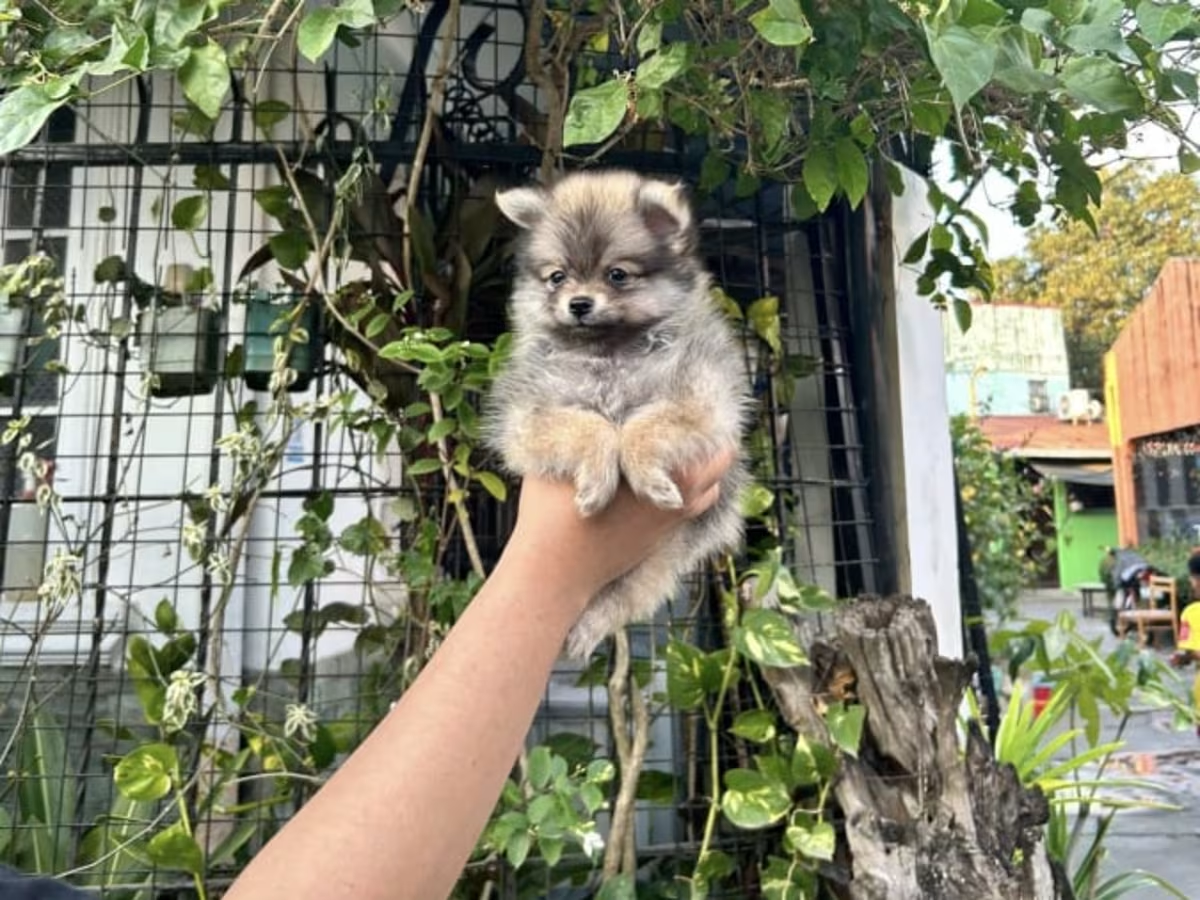



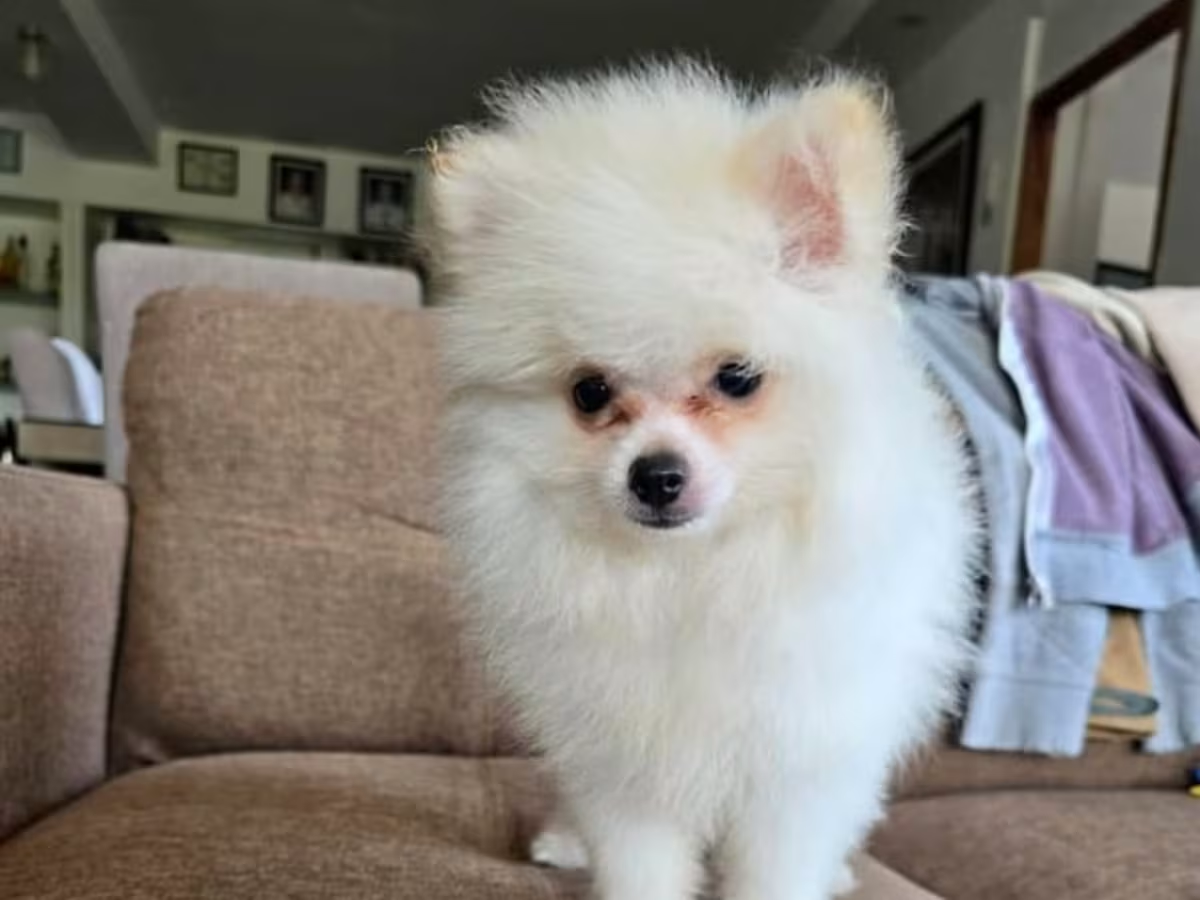



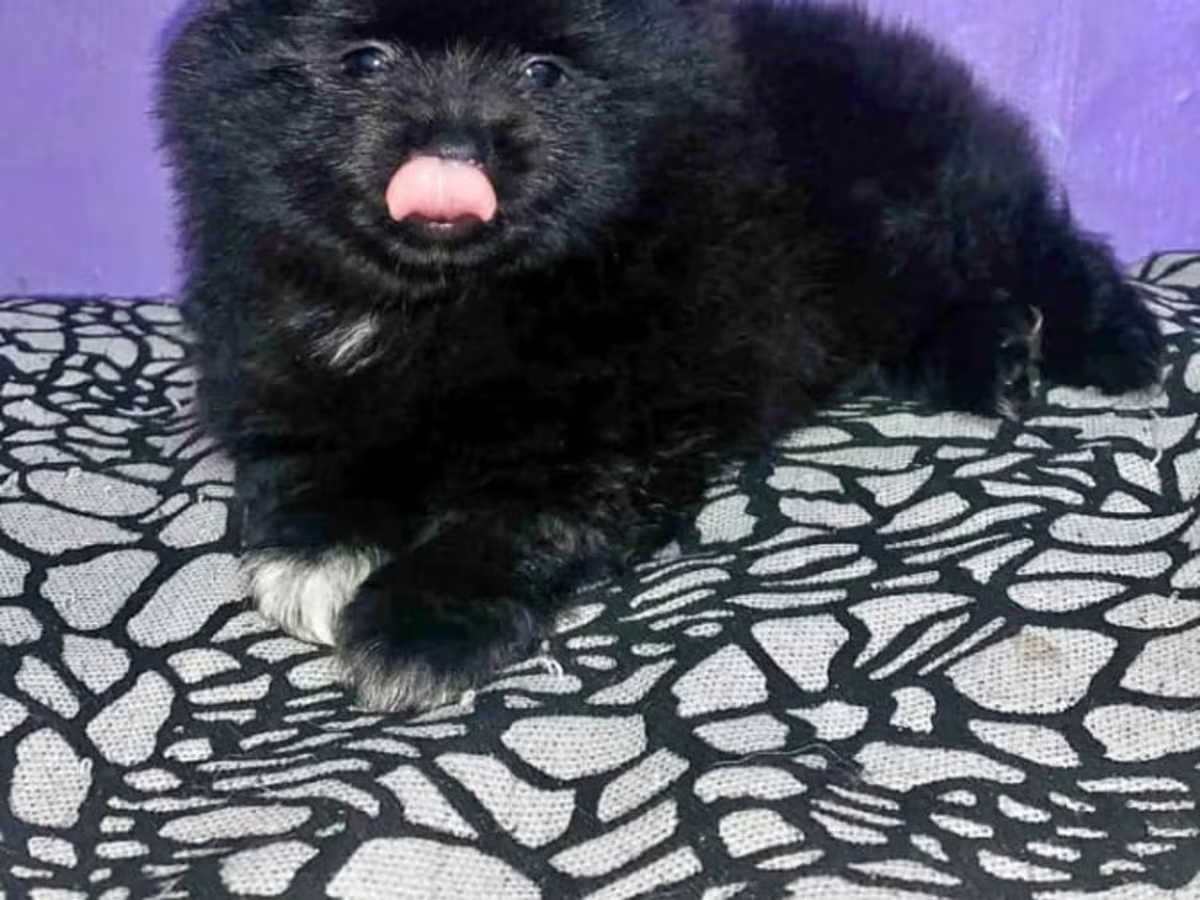
Browse Pomeranian by Location
Pomeranian Buyer's Guide
Common questions answered before you buy
With some preparation, yes. The Pomeranian is trainable (70/100) but has a moderate stubborn streak (55/100) — meaning they'll learn commands, but may decide not to follow them if they don't see the point. Consistency, patience, and positive reinforcement go a long way. Puppy classes are strongly recommended.
The Pomeranian is a lower-energy breed that does well with around 30 minutes of light-to-moderate exercise daily. They're content with short walks and indoor play. That said, don't skip exercise altogether — even low-energy dogs need daily movement to stay physically and mentally healthy.
Moderately. The Pomeranian sheds a noticeable amount, especially during seasonal coat blows in spring and autumn. Weekly brushing significantly reduces loose hair around the home. Grooming effort for this breed is moderate. The Pomeranian needs brushing several times a week and occasional professional grooming every few months.
Generally yes. The Pomeranian scores 75/100 on friendliness — warm with people they know, though they may take time to warm up to strangers. They are specifically noted as good with children and families. Early socialisation and proper introductions are key.
The most frequently reported health concerns in the Pomeranian include Patellar luxation, Dental disease and Alopecia X (black skin disease). Before buying, ask breeders for health clearances on the parents — reputable breeders will have OFA (hips/elbows) or equivalent certifications on file. Budget for annual vet visits and consider pet health insurance from puppyhood.
Yes — the Pomeranian adapts well to apartment living as long as their exercise needs are met. They don't need a large yard to be happy. Daily walks and exercise sessions (around 30 minutes of light-to-moderate exercise daily) keep them calm indoors. One caveat: the Pomeranian tends to be vocal (80/100 barking), which can be a concern in buildings with thin walls or noise-sensitive neighbours.